
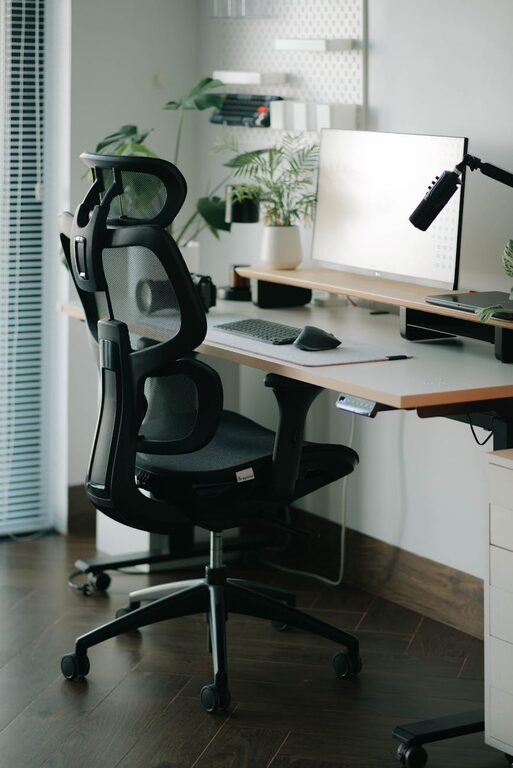
Creating a productive home office environment is essential for anyone working remotely or running a business from home. Without the right setup, distractions and discomfort can affect your work quality and efficiency. Fortunately, there are several straightforward ways to design a workspace that supports concentration and wellbeing. Below, we explore key tips to help you build a home office that works for you.
Choose the Right Location
Selecting the best spot for your home office is the first step. Ideally, pick a quiet area away from the main living spaces, where household activity is minimal.
– Natural Light: Position your desk near a window to benefit from daylight, which can boost mood and reduce eye strain.
– Privacy: Choose a space where you can close a door or use room dividers if needed, to minimise interruptions.
If space is limited, even a well-organised corner can serve as an effective office.
Invest in Comfortable Furniture
Your furniture plays a crucial role in your comfort and posture during work hours.
– Ergonomic Chair: A chair with adjustable height, good lumbar support, and comfortable padding helps prevent back pain.
– Desk Height: Choose a desk that allows your arms to rest comfortably at a 90-degree angle when typing.
– Additional Furniture: Consider shelves or drawers to store paperwork and equipment neatly.
Comfortable furniture reduces physical strain and improves focus.
Keep Your Workspace Organised
A cluttered desk can make it harder to concentrate and find important items.
– Declutter Regularly: Remove unnecessary objects from your desk at the end of each day.
– Storage Solutions: Use boxes, trays, and filing cabinets to keep supplies and documents tidy.
– Cable Management: Use clips or sleeves to organise cables and prevent tangling.
A clean, organised desk helps create a calm environment conducive to productivity.
Minimise Distractions
Minimising distractions is vital for maintaining focus, especially if you share your home.
– Noise Control: Use noise-cancelling headphones or white noise machines if external sounds are disruptive.
– Turn Off Notifications: Silence non-essential notifications on devices during work periods.
– Communicate Boundaries: Let family or housemates know your working hours to reduce interruptions.
Setting these boundaries helps protect your productive time.
Optimise Lighting and Screen Setup
Proper lighting and screen positioning can reduce eye strain and fatigue.
– Balanced Lighting: Combine ambient lighting with task lights like desk lamps to avoid harsh shadows.
– Screen Position: Your monitor should be at eye level and roughly an arm’s length away to promote good posture.
– Adjust Brightness: Match screen brightness to room lighting to prevent glare.
Good lighting creates a comfortable environment and supports long work sessions.
Personalise Your Workspace
Adding personal touches can make your home office inviting and motivating.
– Plants: Small plants improve air quality and add a touch of nature.
– Artwork and Photos: Display items that inspire or calm you.
– Colour Scheme: Choose colours that energise or soothe, depending on your preferences.
A personalised space can encourage creativity and a positive mindset.
Maintain a Healthy Routine
Your environment is important, but so is how you use it.
– Regular Breaks: Follow the 20-20-20 rule—every 20 minutes, look at something 20 feet away for 20 seconds.
– Stay Active: Stand or move around periodically to improve circulation.
– Set Working Hours: Stick to a schedule to separate work time from personal time.
Healthy habits combined with a good space support sustained productivity.
Use Technology Wisely
Technology is a powerful tool, but it can also be a source of distraction.
– Reliable Internet: Ensure a stable connection to avoid disruptions.
– Useful Apps: Utilise productivity tools like calendars, task managers, and focus timers.
– Backup Systems: Regularly save your work and use cloud storage to prevent data loss.
Leveraging technology can streamline tasks and keep you organised.
—
Creating a productive home office environment doesn’t require a large budget or a dedicated room. By selecting a suitable space, investing in comfort, organising effectively, and establishing routines, you can make your home office a place that helps you focus and thrive. Start with small changes and adjust your setup as you discover what works best for your needs.