
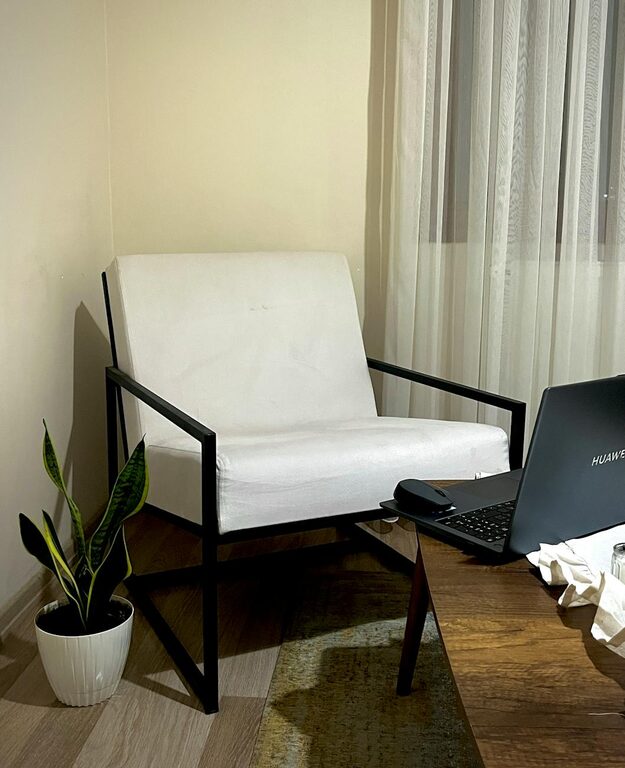
Creating a home office that feels cosy and inviting is more important than ever as many people work remotely or balance work with home life. A well-designed workspace can boost your mood, enhance productivity, and reduce stress. But how do you combine functionality with comfort to make your home office a place you look forward to spending time in? Here are some helpful tips to guide you through creating a warm, inviting, and practical home office.
Choose the Right Location
Finding the ideal spot for your home office is the first step. Ideally, it should be a quiet area with minimal distractions, away from busy parts of your house. Natural light is a key element to a bright and uplifting space, so try to position your desk near a window if possible. If natural light is limited, investing in good quality lighting is essential.
Consider These When Picking Your Space:
– Proximity to power outlets for your devices
– Access to fresh air and ventilation
– Enough room for your desk and storage needs
– Privacy, so you can concentrate without interruptions
Invest in Comfortable and Ergonomic Furniture
Spending hours at a workstation requires furniture that offers support and comfort. Ergonomic design helps prevent aches and strains, which contributes to a more productive day.
Furniture Tips:
– Choose an adjustable chair with good lumbar support
– Pick a desk at the right height so your wrists and elbows rest comfortably
– Consider a sit-stand desk to alternate between sitting and standing
– Use footrests or cushions if necessary for better posture
Add Personal Touches
Your home office should reflect you to make it an inviting space. Decorating with items you love can improve your mood and help you feel more at ease.
Ways to Personalise Your Office:
– Hang artwork or photos that inspire you
– Display favourite books or plants on shelves
– Use colourful stationery or desk organisers that appeal to your style
– Incorporate textiles like cushions or throws to add texture and warmth
Optimise Lighting
Proper lighting reduces eye strain and creates a welcoming environment. It’s best to use a combination of natural light, ambient light, and task lighting.
Lighting Ideas:
– Maximise daylight by positioning your desk near a window
– Use soft overhead lighting for a general glow
– Employ a desk lamp for focused lighting when reading or writing
– Use warm-toned bulbs to create a cosy atmosphere rather than harsh daylight bulbs
Keep It Organised and Clutter-Free
A tidy workspace helps clear the mind and supports efficient working. Clutter can distract and increase stress, so having effective storage and organisation systems is key.
Tips for Staying Organised:
– Use drawers, shelves, or filing cabinets to store papers and supplies
– Keep everyday items within easy reach to avoid disruption
– Regularly declutter to keep the space fresh and inviting
– Use cable management solutions to avoid tangled cords
Incorporate Calming Colours
The colours you choose affect the mood of your office. Cool tones like blues and greens promote calm and focus, while warm tones like soft yellows can boost energy and creativity.
Colour Ideas:
– Paint walls a soothing neutral or pastel shade
– Use accent colours in accessories like cushions, rugs, or wall art
– Avoid overly bright or distracting colour schemes
Boost Air Quality and Comfort
Good air quality and temperature affect how comfortable you feel in your office. Paying attention to this can improve concentration and wellbeing.
Air and Comfort Tips:
– Open windows regularly for fresh air
– Add indoor plants which can improve air quality and create a peaceful vibe
– Use fans or heaters to adjust temperature as needed
– Choose breathable fabrics for cushions, curtains, or chairs
Create Zones for Different Tasks
If space allows, arrange your office into zones for different activities. It helps to switch tasks more smoothly and keeps your workspace ordered.
Examples of Zones:
– A primary desk area for computer work
– A reading nook with a comfy chair and lamp
– A standing brainstorming spot with a whiteboard or corkboard for notes
Use Technology Wisely
Technology is the backbone of most home offices but should not overwhelm the space. Keep gadgets organised and use tools that improve your workflow.
Technology Tips:
– Choose wireless devices to reduce cable clutter
– Position your screen at eye level to avoid neck strain
– Use headphones to block out noise when necessary
– Select apps or software that help with time management and task organisation
Prioritise Work-Life Balance
Finally, design your home office to support a healthy boundary between work and rest. Personal rituals and physical separation can help you switch off when the day ends.
Ways to Encourage Balance:
– Keep your workspace physically separate from relaxation areas
– Establish regular working hours and take breaks away from your desk
– End your day by tidying your desk to mentally close the workspace
—
Creating a cosy and inviting home office is within your reach no matter your space or budget. Focus on comfort, lighting, organisation, and personal touches to build a workspace that supports both your productivity and wellbeing. With these tips, your home office can become a welcoming hub where work feels a little less like work and more like a positive part of your day.