
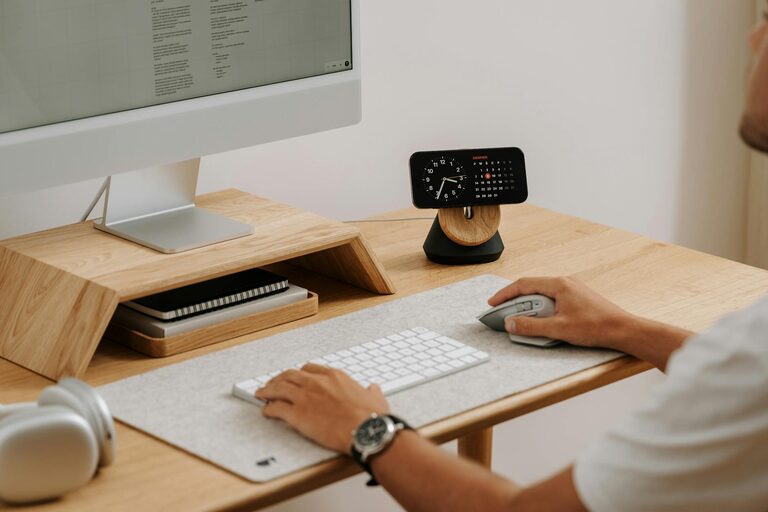
Creating a productive home office environment is essential for anyone working remotely or running a business from home. With the rise of flexible working arrangements, having a dedicated space that encourages focus and efficiency can make a significant difference in your output and wellbeing. In this post, we’ll explore practical tips to help you design a workspace that supports productivity and keeps distractions at bay.
Why a Dedicated Home Office Matters
Having a specific area for work helps signal to your brain that it’s time to focus. It separates your professional tasks from personal life and reduces the risk of mixing the two, which can lead to stress or distraction. Even if you have limited space, creating a designated workstation can lead to better routines and clearer boundaries.
Choosing the Right Location
Start by finding a spot in your home that suits the following criteria:
– Quiet and Low Traffic: Pick a place away from busy household areas to minimise interruptions.
– Natural Light: Bright spaces with access to daylight improve mood and alertness.
– Comfortable Temperature: Ensure the area doesn’t get too hot or cold.
If space is tight, even a corner of a room or a small nook can work well if organised thoughtfully.
Investing in Ergonomic Furniture
Comfort is vital for sustained productivity. Poor posture or discomfort can quickly lead to fatigue or pain.
Desk and Chair
– Desk height: Choose a desk that allows your arms to rest comfortably at a right angle when typing.
– Chair support: An adjustable chair with lumbar support will help maintain good posture.
– Footrest: Consider a footrest if your feet don’t rest flat on the floor.
Layout
Keep essential items within easy reach to avoid unnecessary movement that can disrupt your workflow.
Organising Your Workspace
A cluttered desk can lead to a cluttered mind. Having a tidy and organised area reduces procrastination and stress.
– Use storage solutions: Shelves, drawers, and desk organisers keep supplies neat.
– Minimalism works: Only keep items related to work on your desk.
– Cable management: Use clips or ties to keep cords organised and out of the way.
Regularly declutter your space to maintain a fresh environment.
Lighting Tips for Better Focus
Lighting affects both comfort and productivity. Insufficient light can cause eye strain, while harsh lighting can be distracting.
– Position your desk near a window: Natural light helps regulate your body clock.
– Use adjustable task lighting: A desk lamp with adjustable brightness complements natural light.
– Avoid screen glare: Position screens to reduce reflections and glare.
Minimising Distractions
The home environment can present unique challenges concerning noise and interruptions. Consider these strategies:
– Noise control: Use noise-cancelling headphones or background music to block distractions.
– Set boundaries: Communicate your work hours to family or housemates.
– Turn off notifications: Limit digital interruptions by silencing non-essential alerts during work hours.
Incorporating Personal Touches
While functionality is key, personalising your office can make it a more inviting place to spend time.
– Plants: Adding greenery can improve mood and air quality.
– Artwork or photos: Inspiring images can boost creativity.
– Comfort items: A cosy blanket or cushion makes the space welcoming without cluttering.
Maintaining a Healthy Routine
Your home office is where work happens, but maintaining consistent practices is essential:
– Take regular breaks: Short breaks improve concentration.
– Stay hydrated: Keep water nearby.
– Stretch or move: Sitting for long periods is unhealthy; stand or stretch regularly.
Leveraging Technology
Use tools and apps designed to aid productivity:
– Task managers: Tools like Trello or Asana help organise workloads.
– Time trackers: Apps like Toggl can help monitor how you spend your time.
– Communication platforms: Ensure you have reliable software for meetings and collaboration.
Final Thoughts
Setting up a productive home office doesn’t require a large budget or a separate room. With careful consideration of your space, comfort, organisation, and habits, you can create an environment that supports your work needs and helps you stay motivated. Experiment with what works best for you and don’t hesitate to adjust as your work style evolves.
Remember, the goal is to create a space where you can focus, feel comfortable, and achieve your best work every day.